Transit Industry Overview
The increasing urbanisation of India requires an integrated transit system that is well-designed imperative, especially for the country’s bigger cities. The country’s metro projects are expanding significantly, and in the not too distant future, they should rank among the world’s largest metro networks. Metro systems are considered appropriate for routes where the busiest sections carry approximately ~20,000+ passengers per hour per direction (PPHPD).102 Furthermore, the private sector is increasingly involved in various aspects of metro projects in India.
This includes funding, construction, operations, and management. Examples of such involvement include the Public-Private Partnership (PPP) for the Pune Metro,103 the operational management of the Hyderabad Metro, and discussions around the leasing of rolling stock for the Delhi and Chennai Metros.
Features

~900 km
Metro network
MRTS has become widely popular in Tier 1 cities for the growing population.104

~20,000
Passengers (PPHPD)
A Metro is suitable for the route when its busiest section has ~20,000+ PPHPD (passengers per hour per direction).

~17 cities
Operational
About ~17 cities have metro under operation.
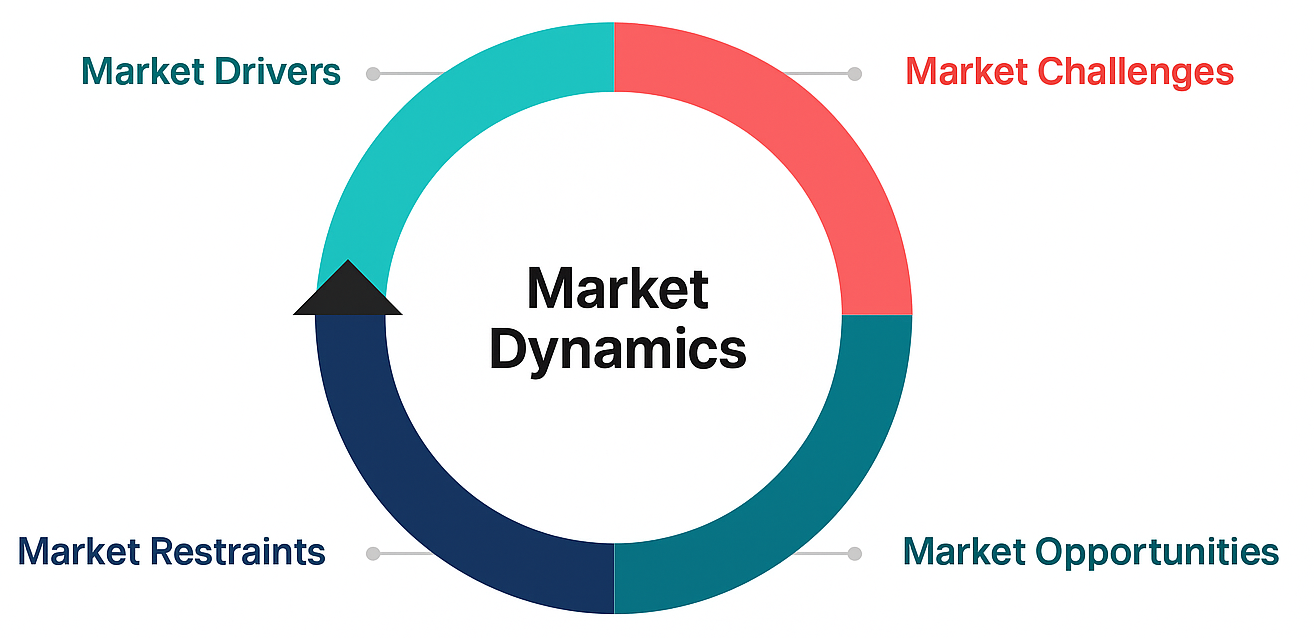
Market Dynamics
Transit Oriented Development
Currently, government is prioritising transit oriented development activity in the state focused on increase in ridership and revenue generation in the state. These developments are carefully managed to optimise space in overcrowded cities like Delhi, Mumbai, Pune, Banglore, etc.105
Green Technology
The transit industry is adopting green and sustainable technology for operations to reduce carbon emissions in the air. In addition to this, government is also electrifying metro networks with newer technologies for better energy efficiency.106
Higher Investments
The transit market is experiencing a significant boost in investment with funding coming from prominent organizations such as JICA, ADB and others. These investments are instrumental in fueling the expansion and modernization of transit infrastructure in India.
Policy Changes
Policy changes in Indian infrastructure sector can disrupt project continuity and lead to delays uncertainties. This makes long term project planning difficult.
Regulatory Restraints
Compliance with safety and environment standards can be costly and time consuming for the authorities. As there are regional and geographical differences present everywhere, safety and environment standards can be compromised accordingly.
Land Acquisition
Land acquisition issues hinder approved projects, as seen with the many projects becoming delayed or more costly due to land acquisition problems.
Requirement of Rolling Stock
The expansion of metro networks including up to ~25+ new line and phases alongside existing ones, will drastically increase the demand for rolling stock for the next ~10 years.
Metro Neo and Metro Lite
These cost-effective mass transit systems like Metro Neo and Metro Lite are projected to dominate metro systems over the next 25 years with the Metro Lite systems to be introduced in more than ~20 cities.
New Technologies
The government has initiated new technologies in metro projects. These networks are expected to be maintained by Advanced Ticketing Systems (ATS) to assist commuters in ticket generating systems.107
Cost of Project Development
Construction of these projects requires adopting eco-friendly construction methods, optimizing energy usage, and transitioning to renewable energy sources which can have a higher initial cost of project development.
Technological Obsolescence
Rapid advancements in technology may lead to the potential obsolescence of metro systems after a few years if not carefully planned, executed and updated with latest technologies.
Inflation And Rising Cost
As price of commodity and services offered is increasing it is leading inflation in economy with high cost. This is resulting in travelling cost and maintenance cost becoming very high for commuters.108
Key Trends
The Indian transit industry is undergoing significant growth characterised by key trends such digital payment systems and green initiatives which are on the rise, putting a focus on sustainable efficient operations. All of these factors are driving the sector to become more technologically sophisticated, environmentally conscious, and passenger-centric future. More details.

Digital Revolution
The Indian transit system is undergoing a profound digital revolution, incorporating cutting-edge technologies to address urbanisation challenges and enhance passenger experience. This development is a huge leap forward in the direction of a smarter and more reliable metro network.

Driverless Trains
The metro systems in India have introduced driverless trains promising heightened predictability and elevated safety standards. These technological endeavours signify a progressive vision for the future of urban transportation.

Green Transportation
Delhi Metro Rail Corporation (DMRC) has earned global acclaim as the World's First Green Metro for its unwavering commitment to sustainability. This recognition is a result of the DMRC's strict adherence to green building guidelines, successful acquisition of carbon credits, and attainment of green certifications.

Clean Energy Initiatives
The metro systems organisations are adopting clean energy initiatives to dive into eco-friendly efforts initiated by Government. These clean energy requires use of sustainable fuel.

Passenger Convenience
Metro projects are focusing on elevating passenger convenience based on data-driven analytics. This emphasis on passenger comfort underscores a commitment to operational excellence, resulting in timely and efficient services that prioritise passenger satisfaction.

Operational excellence
Transformative changes in India's metro sector extend to operational efficiency, ushering in a new era of reliability. This commitment to operational excellence translates into a more dependable metro transportation experience, responding to the diverse urban landscape of the country with convenient and reliable services.

Manufacturing in India
There is an impetus on manufacturing in India along with strategic alliances with global players. From initially relying on coach imports, India now boasts 4 operational manufacturing units as this strategic expansion positions India as a burgeoning hub for metro coach manufacturing.
Global Exports
India's Metro Rail Coach industry has achieved global success through exports to places like Queensland, Sydney etc. backed by collaborations and global manufacturing companies in India. India is now positioned to play a significant role in the global metro coach manufacturing market by taking advantage of its reduced production costs.
Overseas Collaboration
Indigenous companies are forming alliance with international companies for technology transfer, research and development, joint ventures, etc. These cross border collaborations are helping in strengthening portfolio of local firms for various railway equipments.
Standardization of metro systems
The concept of indigenization is highly focused in the metro rail systems, so that local materials, components, and technologies are adopted, which would strengthen the local industries, reduce dependence on foreign imports, reduce the costs, and enhance self-reliance in India's metro rail sector.